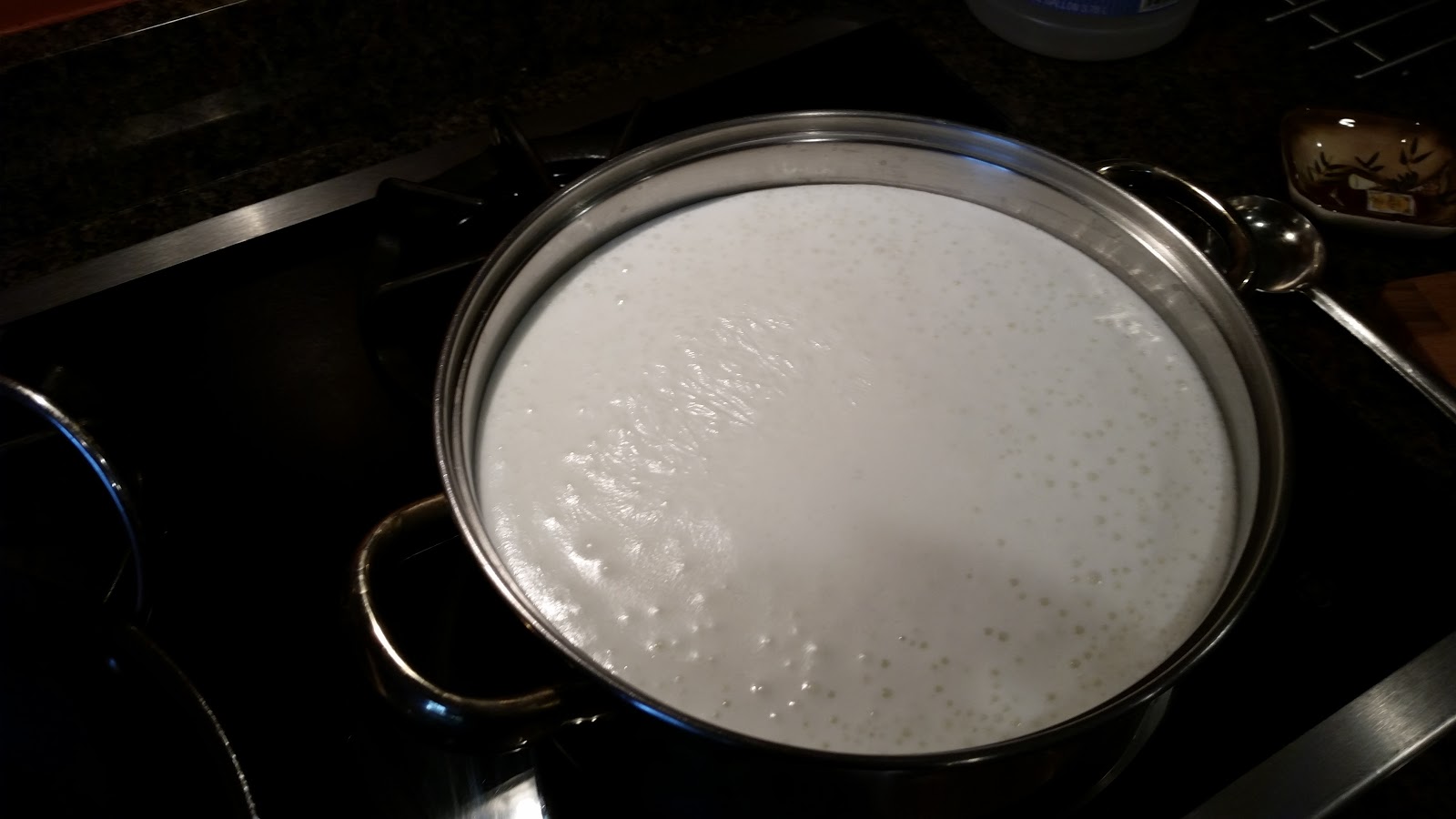
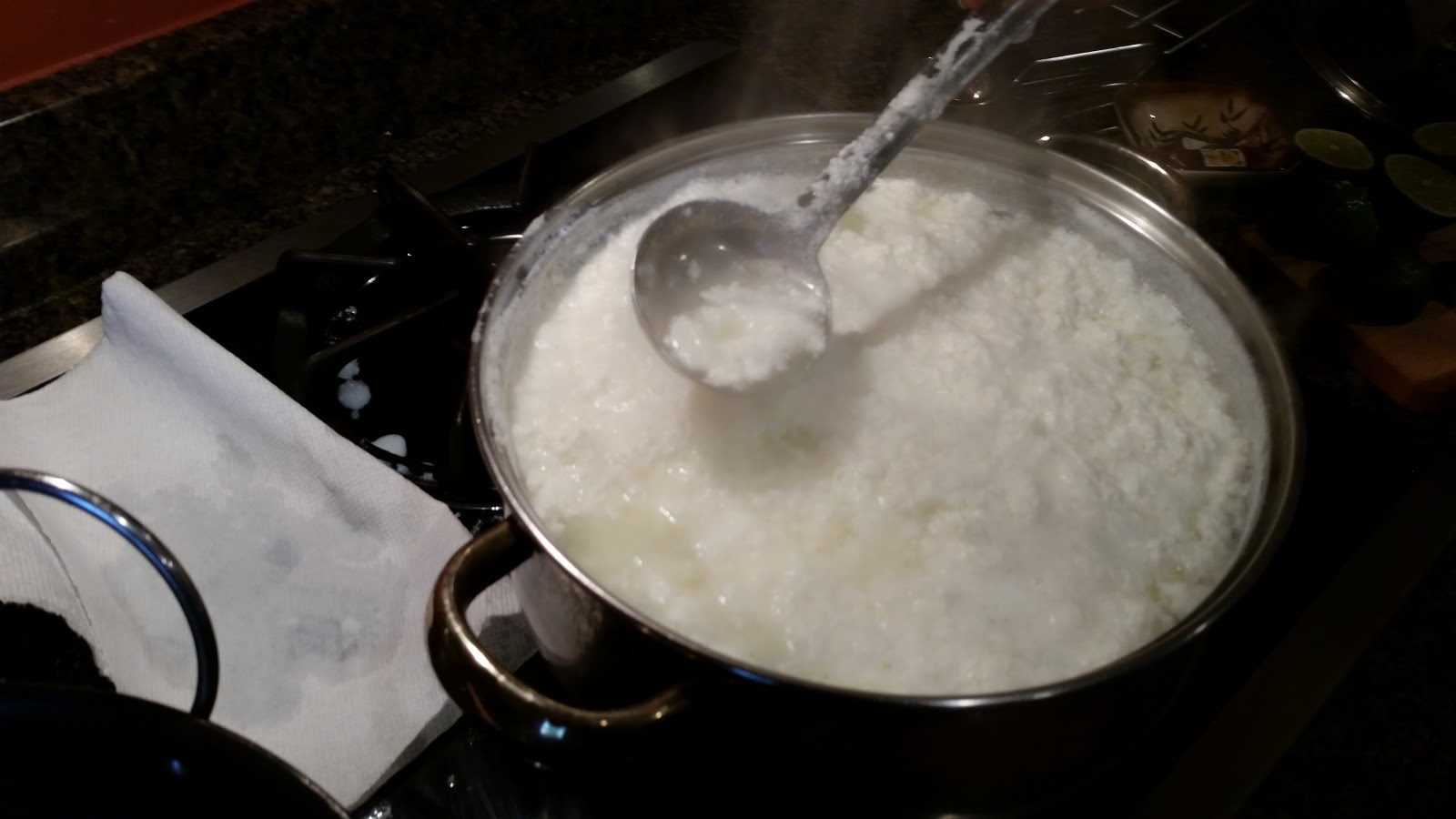
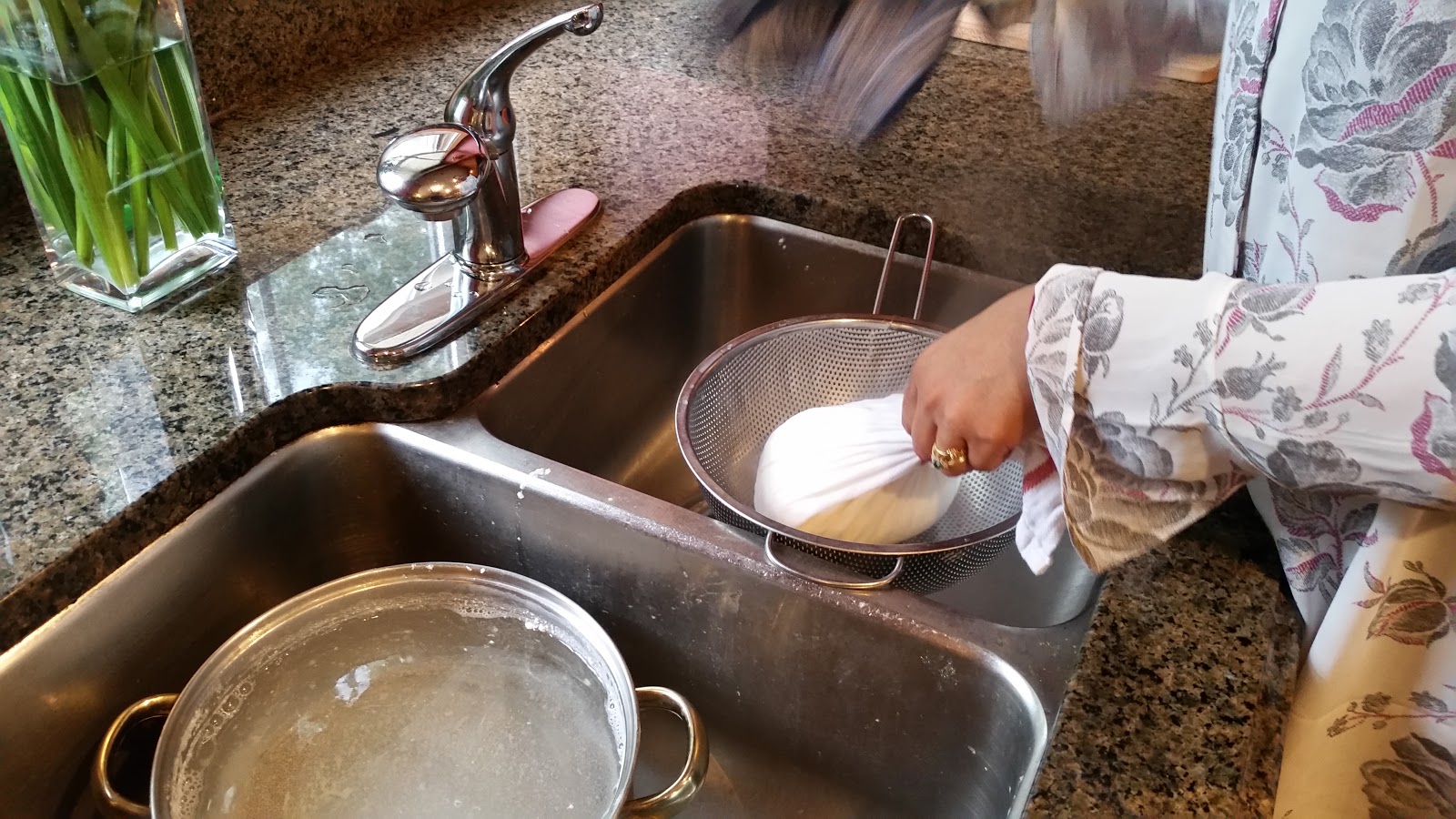
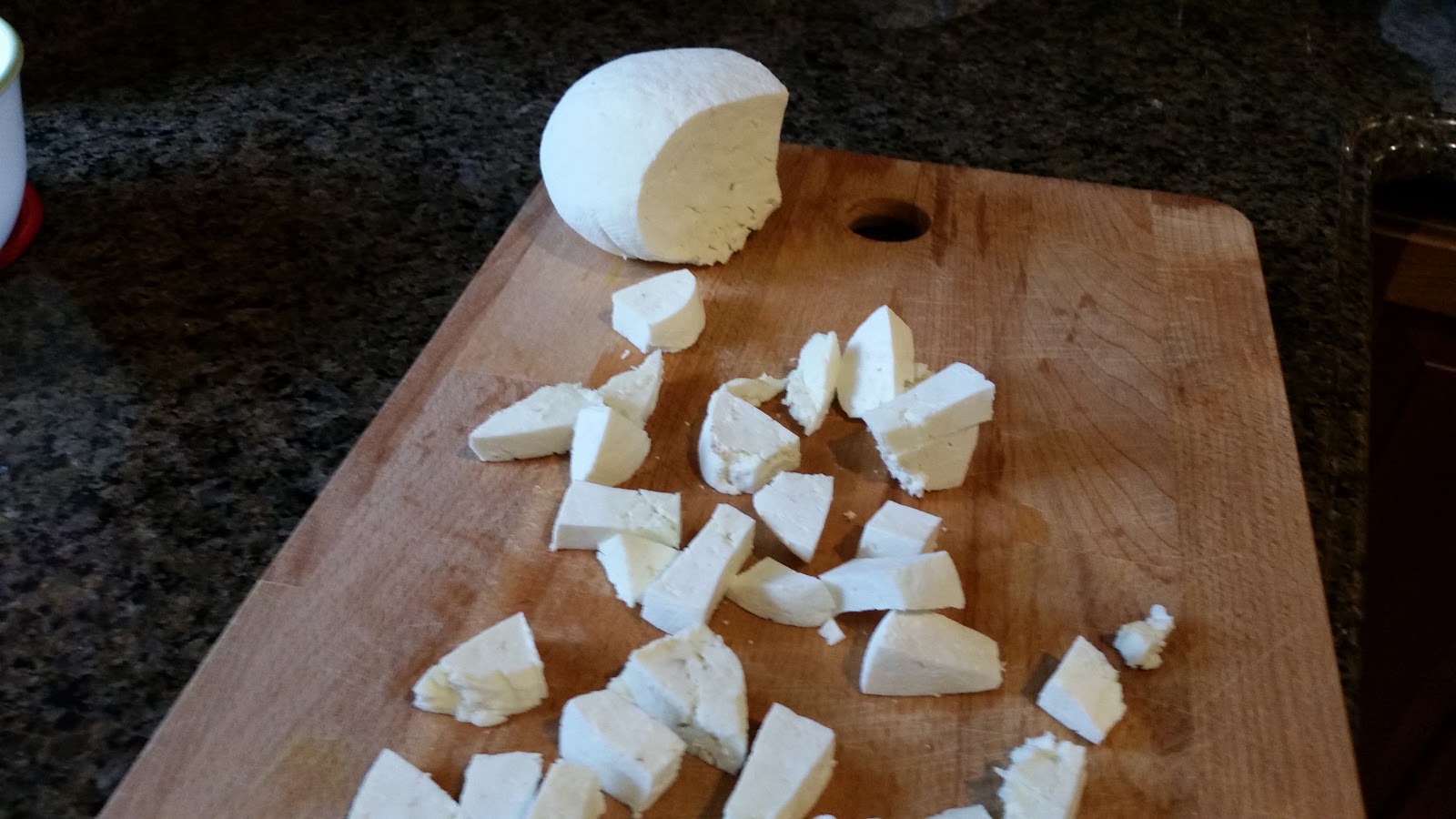
After reading Chemistry in Your Kitchen by Matthew Hartings this summer I decided to see if my International Baccalaureate students would be willing to have my learn how to cook a dish with their families. Periodically my students will have a potluck during their core days where they miss their classes all day working on external assignments and there tends to be a wide variety of international cooking on display.
In December of 2017 (ugly Christmas sweater day to be precise) I got to do a great dish to connect with chemistry; Bananas Foster (thank you Flanigans!). Bananas Foster originated in Louisiana. It is made by mixing butter and brown sugar on low heat before adding bananas and dark rum. The rum is then ignited after briefly being heated. Interestingly the alcohol in the rum does not completely burn.2 I had yet to ever cook using the flambe technique and this is a very approachable dish. It also has a lot of experimentation to try. The first thing I noticed when eating is that there is a substantial amount of dark rum flavor left after burning. So I am in the process of now experimenting with what different alcohols taste like. Thus far I have tried making Bananas Foster with gin and it tasted good. Not only did I think so but my expert neighbor from the South confirmed. I will later try it with vodka and maybe a clear rum as well. I did not notice any difference with the flame although I would love to see if a distinction could be made using higher level equipment.
Later in the year our IB Chemistry HL 2 class did the internal assessment where every students constructs their own personal chemistry experiment, does the experiment and writes a formal report to be submitted to IB as part of their grade. One student did an experiment where they compared heating vodka with lighting vodka on fire to see how much alcohol remained for each. The results showed that heating was more effective than igniting the alcohol although more results would have improved the certainty of that result.
In December of 2017 (ugly Christmas sweater day to be precise) I got to do a great dish to connect with chemistry; Bananas Foster (thank you Flanigans!). Bananas Foster originated in Louisiana. It is made by mixing butter and brown sugar on low heat before adding bananas and dark rum. The rum is then ignited after briefly being heated. Interestingly the alcohol in the rum does not completely burn.2 I had yet to ever cook using the flambe technique and this is a very approachable dish. It also has a lot of experimentation to try. The first thing I noticed when eating is that there is a substantial amount of dark rum flavor left after burning. So I am in the process of now experimenting with what different alcohols taste like. Thus far I have tried making Bananas Foster with gin and it tasted good. Not only did I think so but my expert neighbor from the South confirmed. I will later try it with vodka and maybe a clear rum as well. I did not notice any difference with the flame although I would love to see if a distinction could be made using higher level equipment.
Later in the year our IB Chemistry HL 2 class did the internal assessment where every students constructs their own personal chemistry experiment, does the experiment and writes a formal report to be submitted to IB as part of their grade. One student did an experiment where they compared heating vodka with lighting vodka on fire to see how much alcohol remained for each. The results showed that heating was more effective than igniting the alcohol although more results would have improved the certainty of that result.
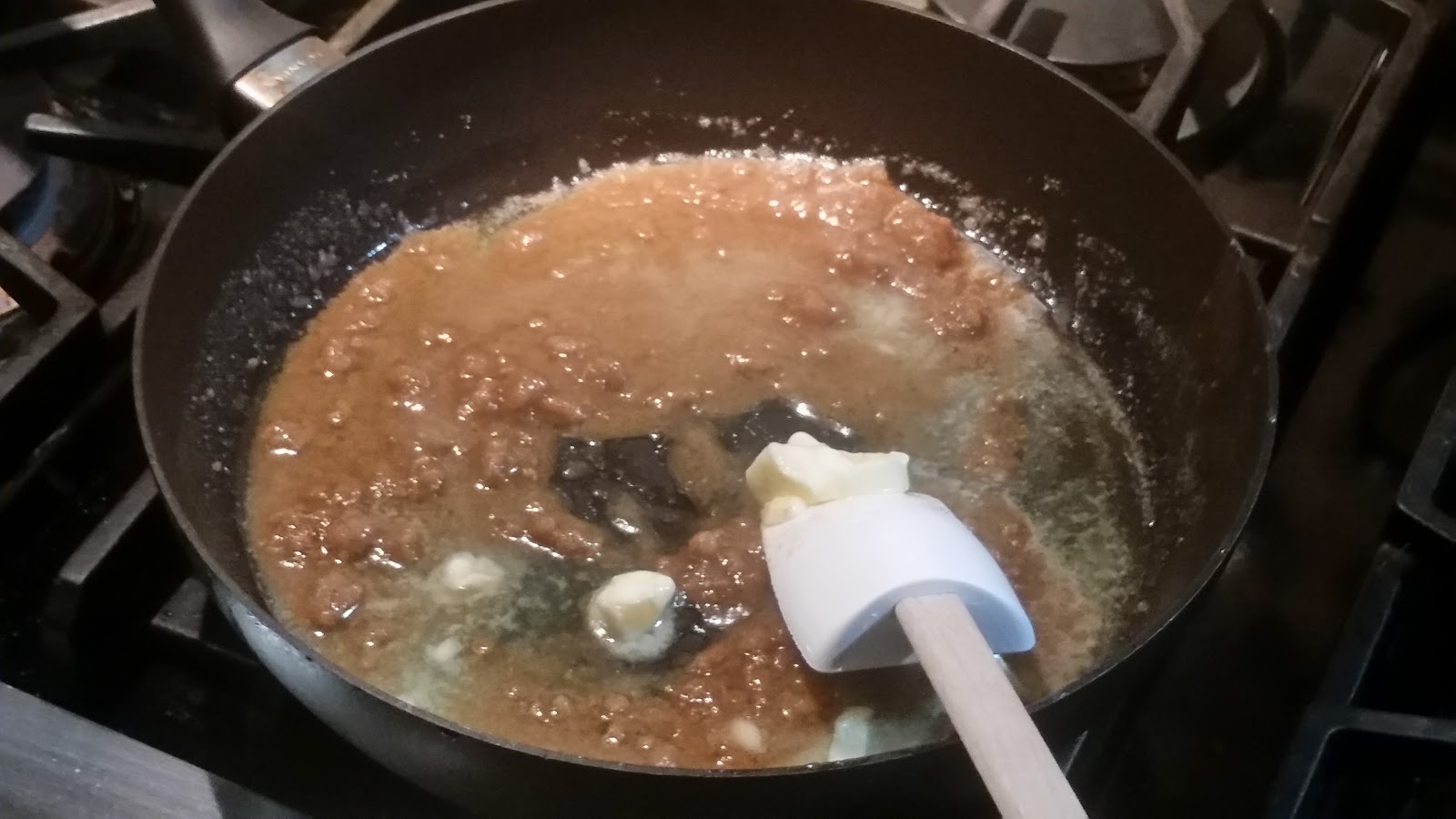
Figure 1: Brown sugar and butter are mixed under low heat
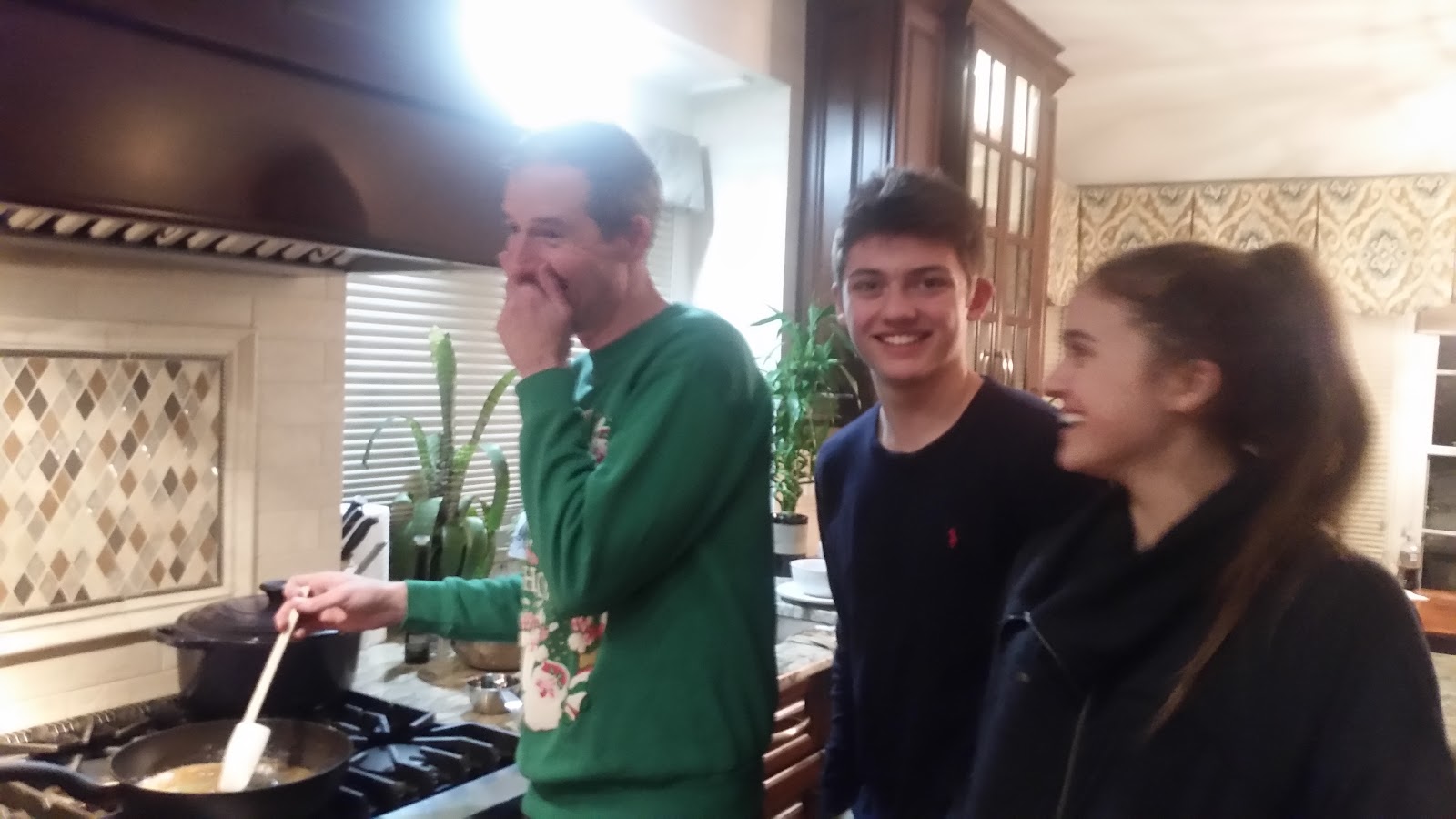
Figure 2: Stir the butter and brown sugar thoroughly (ugly Christmas sweater optional)
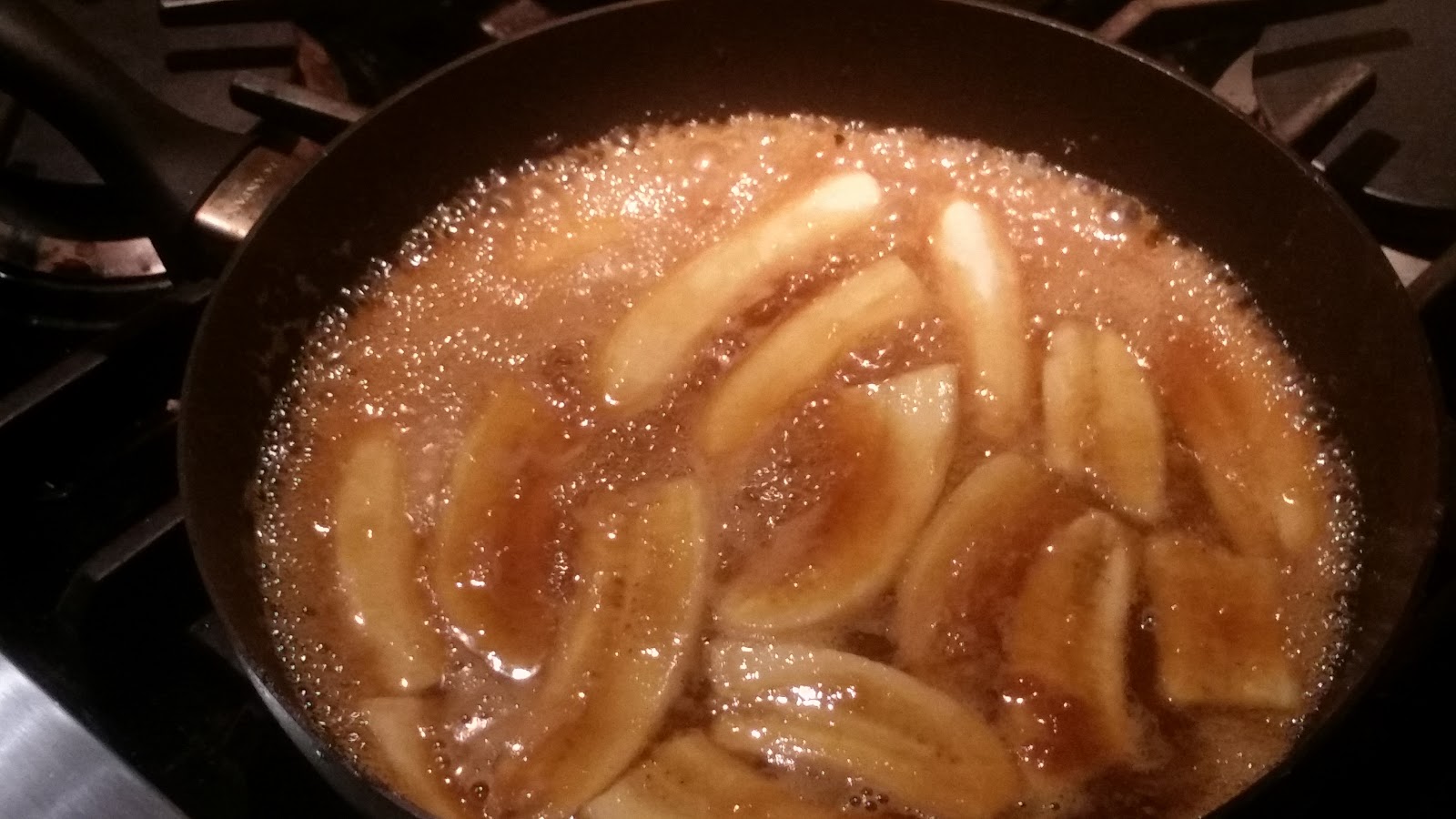
Figure 3: Add in the bananas before adding the liquor and ignition.
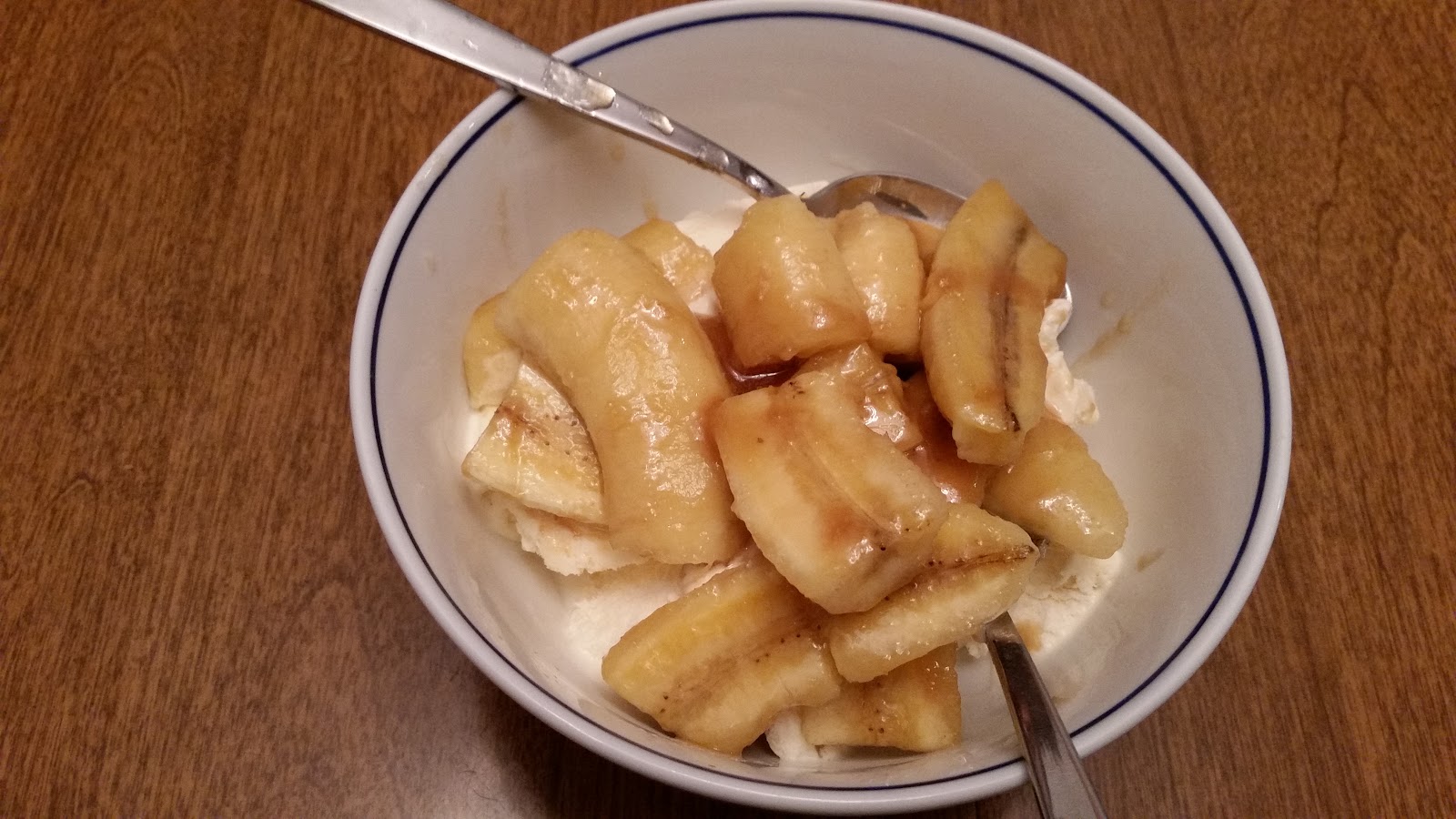
Figure 4: The finished product that I made using gin in place the dark rum
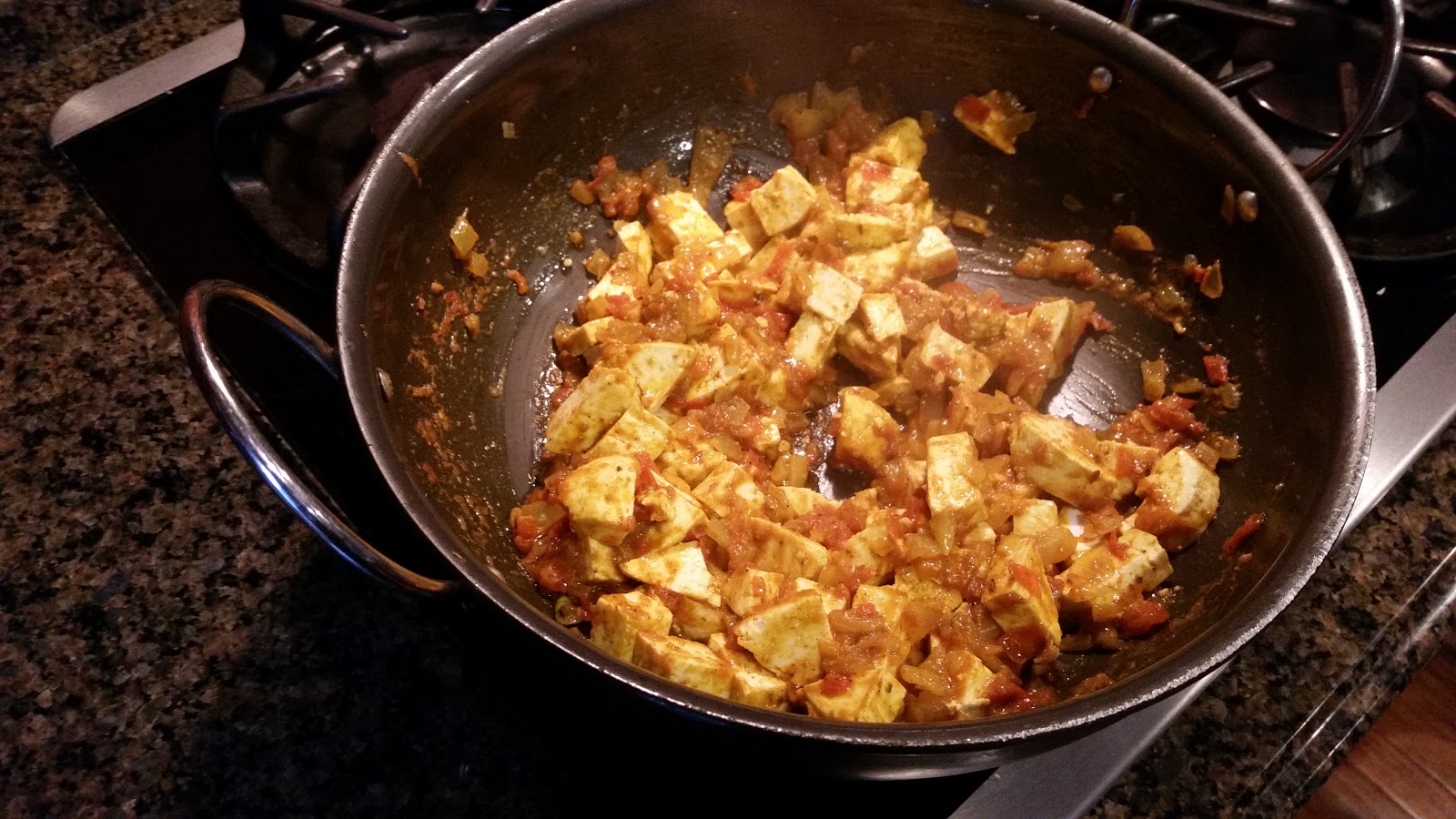
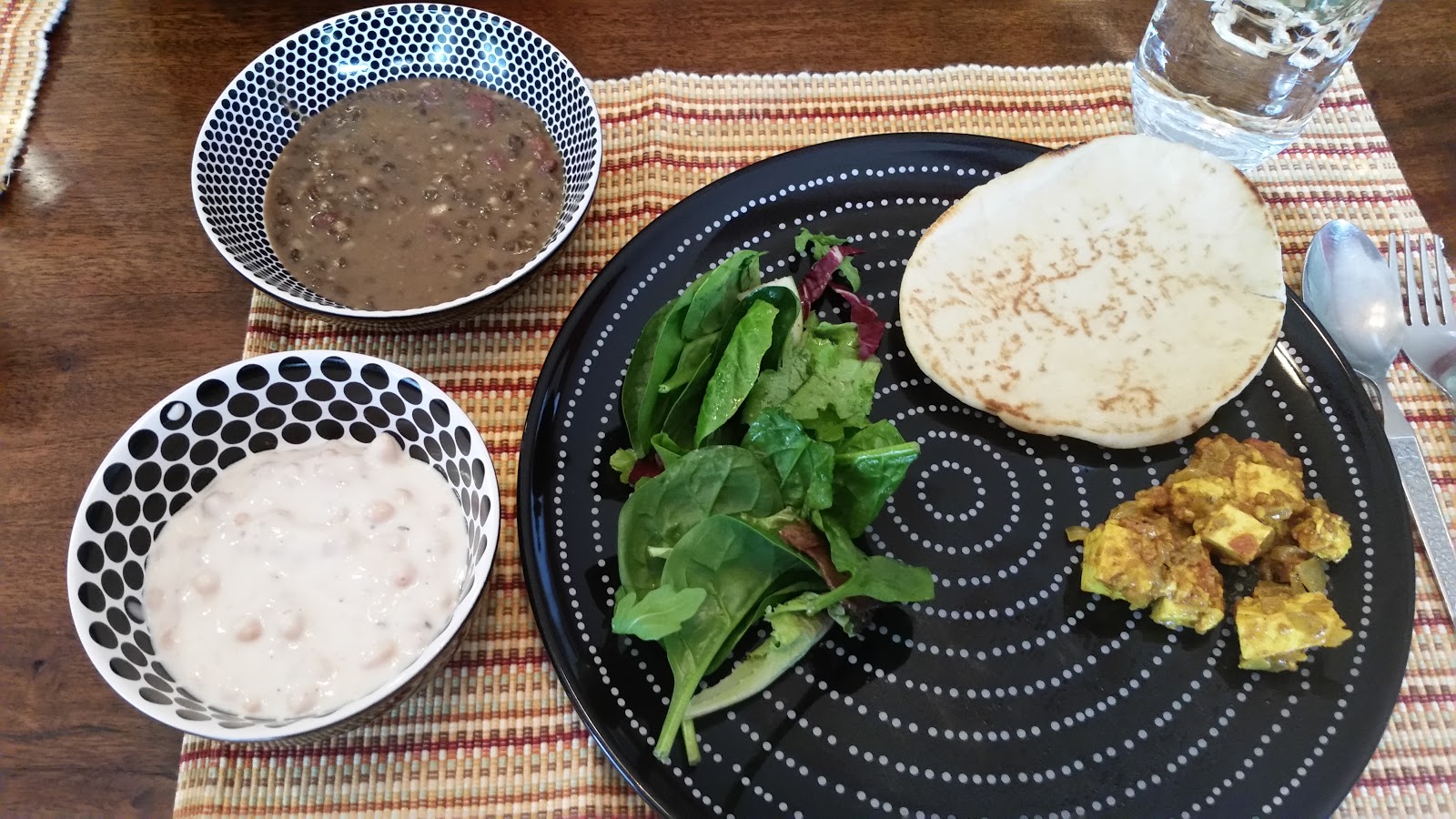
#1 - Paneer
#2 - Bananas Foster
#3 - ???
Sources -
1. Brennan’s Bananas Fosters
http://www.neworleansrestaurants.com/new-orleans-recipes/recipes_brennans.php
accessed 1/7/18
2. Hanson, Christine E.; Kwasniewski, Mishi T.; Sacks, Gavin L; Decoupling the effects of heating and flaming on chemical and sensory changes during flambe cooking International Journal of Gastronomy and Food Science V. 1 (2) June 2012 p.90-95 https://www.sciencedirect.com/science/article/pii/S1878450X13000024http://www.neworleansrestaurants.com/new-orleans-recipes/recipes_brennans.php
accessed 1/7/18