Showing posts with label mechanism. Show all posts

Sunday, January 21, 2018

Do people with lighter skin have different sunscreen needs?


We spent a class period researching in groups and a class period discussing our findings.  The prompt was to construct an argument that skin color matters for sunscreen use and an argument that skin color does not matter.  From there our groups diverged greatly as they built up arguments and pertinent explanations.  
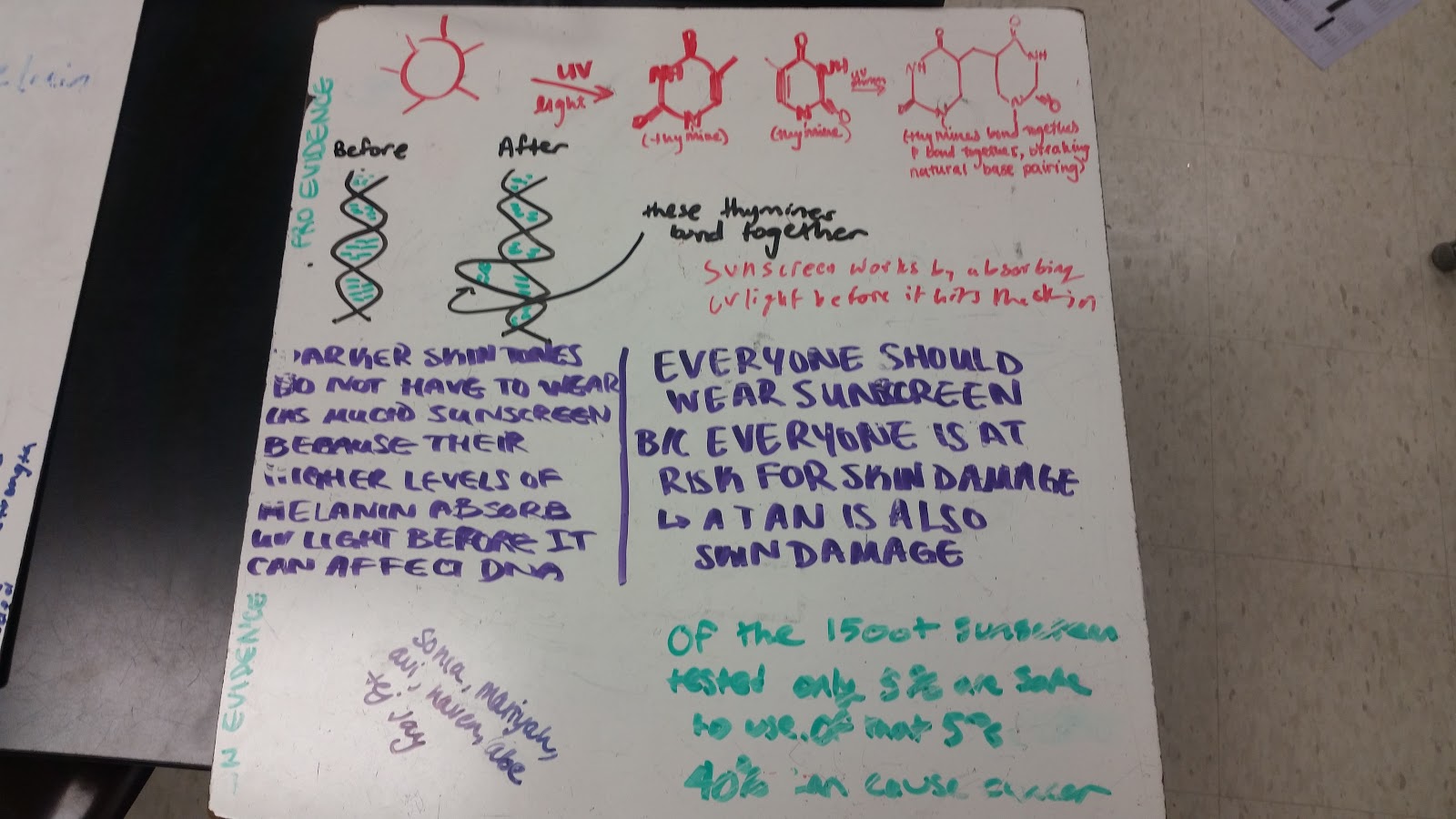
Figure 1:  Whiteboard 1 explores the mechanism by which UV light causes DNA mutations


The wide variety of information in the various whiteboards led to some great discussion on content as well as generic science.  We discussed if knowing the mechanism of DNA damage by UV light is relevant so long as we see the data in Whiteboard 2 (below).  Students split but offered mostly arguments that mechanism knowledge is highly relevant to evaluate the conclusions from the data of skin cancer rates.  Multiple examples were offered such as some races might be located where they experience different exposure to sunlight, different races might also use different amounts of sunscreen on average and reporting of race can be inconsistent.  In general most students felt that just knowing skin cancer rates is insufficient and could be correlation without causation.  
We also talked about the mechanism by which UV light originates and under what conditions an electron can accelerate so much that it produces such high frequency light.  We connected the emission and absorption of light with the Balmer series for hydrogen.  We reviewed the spacing of energy levels and I instructed about the differences in energy level spacings for gaseous atoms/ions compared to molecular excitations.  We connected this later with Whiteboard 6 by talking about how a slight adjustment to a molecule can cause a minor change in the frequencies of light absorbed and how pigments and dye research often utilizes electron rich and electron deficient functional groups to shift color.   
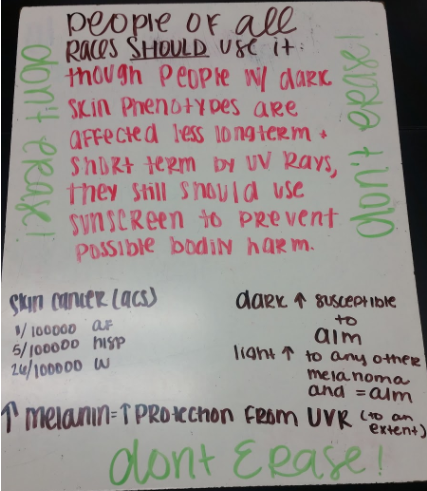
Figure 2:  Whiteboard 2 found cancer rates based on race
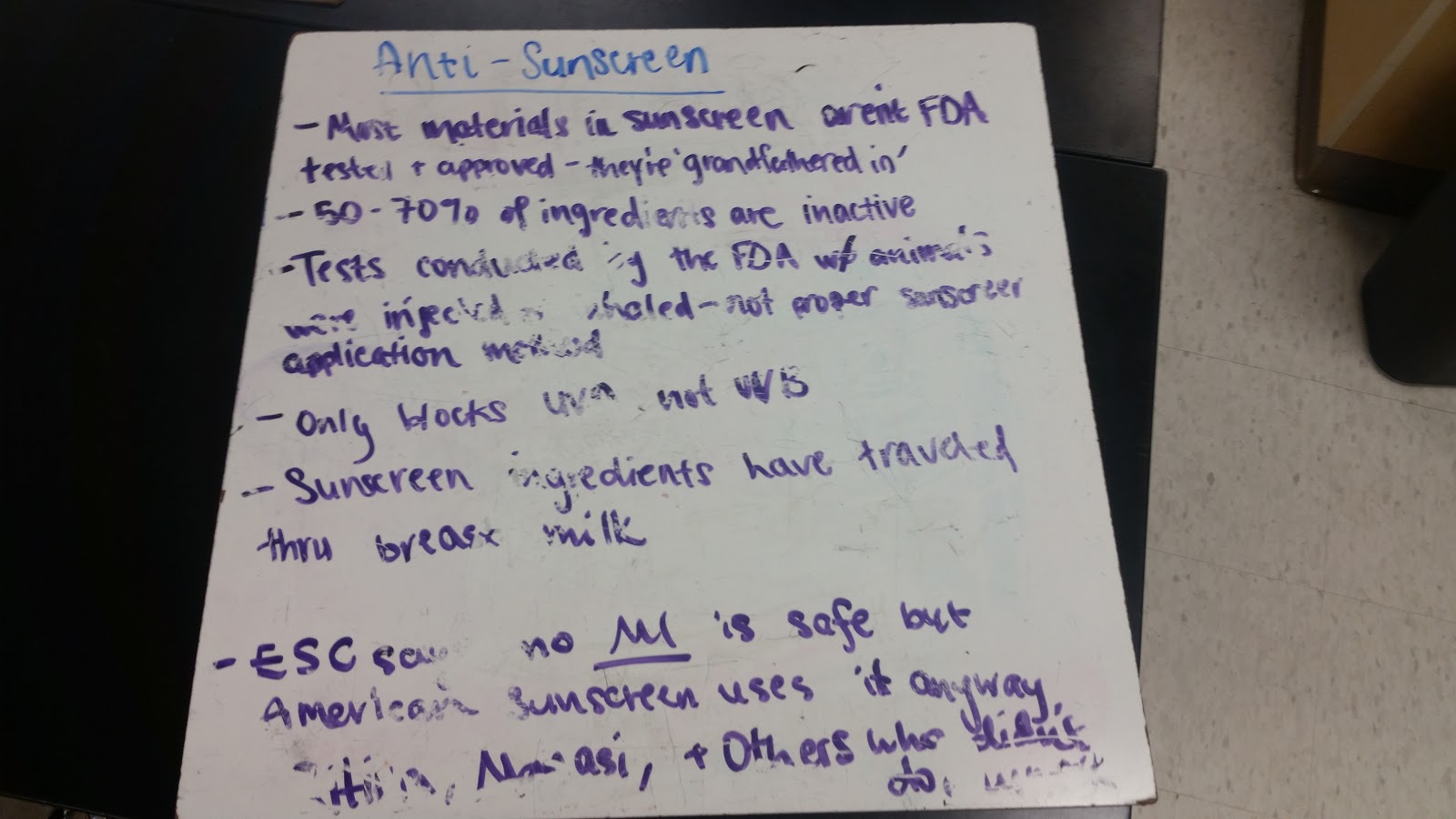
Figure 3:  Whiteboard 3 went full “Natural News” to locate some arguments against
sunscreen


This board led to a good discussion on sources of scientific information, how sources manipulate data and experiment into “clickbait” articles.  We posed the question “Are any of these things actually bad or do they just sound bad?”  For example, if sunscreen ingredients are present in breastmilk, is that bad or is it so infrequent and low in concentration that it is irrelevant?  We talked about how the FDA does not have jurisdiction over supplements and how labels for supplements are sometimes shown to be incorrect.  We also compared this board to the risks of not wearing sunscreen using Whiteboard 2 (above).  
Figure 4:  Whiteboard 4 summarized different wavelengths of UV light and nanoparticles
used for sunscreens

Figure 5:  Whiteboard 5 looks at melanin and interactions of sunscreens with UV light

Figure 6:  Whiteboard 6 looks at different chemical structures utilized in sunscreens


Conclusions that students made included that the SPF data they saw suggested that anything over SPF 50 was a marketing scam and was less healthy than using SPF 50 or lower.  We concluded that the mechanisms by which electrons change motion during electronic transitions in molecules are incredibly difficult to visualize and that this uncertainty can be problematic for understanding.  We concluded that everyone exposed to sun should wear sunscreen because melanin mostly protects from sunburn but not from DNA damage.  We saw a variety of organic molecules used to absorb UV light as well as alternatives such as ZnO nanoparticles.  We started our discussion by looking at how 11 cis-retinal converts into 11 trans-retinal when absorbing visible light and this is the mechanism by which our brain becomes aware of light hitting our retinas.  We talked about the breaking of the pi bond before the rotation occurs and later compared this to potential changes in molecular structure when UV light is absorbed by molecules in sunscreen.  
As a teaching lesson I was highly pleased with the variety of topics to discuss and the variety of information students used to make arguments.  Students looked at chemical structures, DNA damage mechanisms, skin cancer data, sunburn data and how UV light itself varies.  We identified what type of light escapes the sun as a subject that requires more research.  We will continue to use this topic throughout our review.  We saw connections to organic chemistry, quantum chemistry, periodic trends and bonding.  It was interesting to the majority of students.  Some students asked what it was like to be sunburned because they had never experienced it before and most students had limited ideas coming into the discussion but left with much better knowledge.  

Monday, January 4, 2016

Substitution Reaction between tert-butyl chloride and hydroxide

C(CH3)3Cl + OH- → C(CH3)3OH + Cl-


The substitution reaction between hydroxide and tert-butyl chloride is carried out above in a mixture of water and acetone and universal indicator.  Initially there is sodium hydroxide present in universal indicator.  Thus we begin with a violet solution.  The tert-butyl chloride/acetone is added and the reaction begins.  As the hydroxide is consumed the pH lowers and thus we can track the reaction progress as the solution progresses from violet to blue to green.  Curiously the solution continues past a neutral pH as all of the hydroxide is consumed and the solution continues through yellow and orange and eventually red.  The pKa of the tert-butyl alcohol formed is 16.5 and thus unlikely to cause a shift down below a pH of 4 even at high concentrations.  The culprit behind the continuing decrease in pH is the excess tert-butyl chloride.  This undergoes a reaction with the solvent, water, to form tert-butyl alcohol and hydrochloric acid.


C(CH3)3Cl + H2O → C(CH3)3OH + H+ + Cl-


Substitution reactions can occur via two different mechanisms.  The first possible mechanism is called SN1 and involves the bond between the leaving group (here chloride) and the carbon to break via a collision with solvent.  This leads to a carbocation intermediate forming and the chloride anion.  After this step is complete, the nucleophile (hydroxide) forms a bond with the carbocation intermediate.  This mechanism is unimolecular in that the first step (which is the rate-determining step) only depends on one molecule.  


SN1 mechanism tert butyl.png
Figure 1:  SN1 mechanism for tert-butyl chloride reacting with hydroxide


The second possible mechanism involves the bond between the leaving group and carbon to break as a result of a collision with the nucleophile.  Thus the new bond forms as the old bond breaks.  This results in an activated complex where one bond is breaking as the other forms which can be seen in the mechanism below.  


SN2 mechanism tert-butyl.png
Figure 2:  SN2 mechanism for tert-butyl chloride reacting with hydroxide


Whether a substitution reaction will be SN1 or SN2 depends on several features of the chemicals involved.  The strength of the nucleophile, the leaving group and the solvent used all impact which will occur.  But the most important factor is the carbon that the leaving group is attached to.  If this carbon is tertiary (three other carbons attached) the mechanism will likely be SN1.  If the carbon is primary (one other carbon attached) the mechanism will likely be SN2.  If the carbon is secondary (two other carbons attached), then the other factors will likely determine the outcome.  In this particular reaction the SN1 mechanism is the primary course of reaction because the tert-butyl chloride has the leaving group (chloride) attached to a tertiary carbon.  A tertiary carbon is able to have a more stable carbocation intermediate because the carbocation can be stabilized slightly by the neighboring carbon atoms.  A primary carbon is not able to do this sufficiently to make this pathway favorable because of the limited electron density of the hydrogen atoms.  Additionally, the carbon where the reaction takes place is quite bulky due to the three carbons being attached.  This is called steric hindrance, where the rest of the molecule prevents a collision from happening with the carbon attached to the leaving group.  For a primary carbon, steric hindrance is less of an issue.  Once the carbocation intermediate is formed, the carbon site is planar and more susceptible to collision especially given the large amount of positive charge.  
If the carbon were not tertiary of primary then other factors would determine the reaction mechanism.  The solvent used will affect whether the mechanism is SN1 or SN2.  If the solvent is capable of hydrogen bonding (water, ethanol, etc.) the solvent is referred to as polar protic and will increase the likelihood of SN1 occurring.  A polar protic solvent will do two things to make SN1 more likely.  The first is that a polar protic solvent interacts strongly with the nucleophile causing it to not react as successfully because the negative charge of the nucleophile is drawn to the positive end of the polar protic solvent.  The second is that the polar protic solvent is capable of stabilizing the carbocation intermediate with its negatively charged end of the molecule.  Polar aprotic solvents (DMSO, acetone, etc.) are polar but not capable of hydrogen bonding.  These will increase the likelihood of SN2 mechanism happening.  A nonpolar solvent (toluene, hexane, etc.) is unlikely to adequately facilitate some of the substitution reactions, but if it will then it will again increase the chances of the mechanism being SN2.  The leaving group and nucleophile also will both influence the mechanism.  A leaving group that is weakly bonded to the carbon will facilitate SN1 and a strong nucleophile will increase the likelihood of SN2 happening.