We spent a class period researching in groups and a class period discussing our findings. The prompt was to construct an argument that skin color matters for sunscreen use and an argument that skin color does not matter. From there our groups diverged greatly as they built up arguments and pertinent explanations.
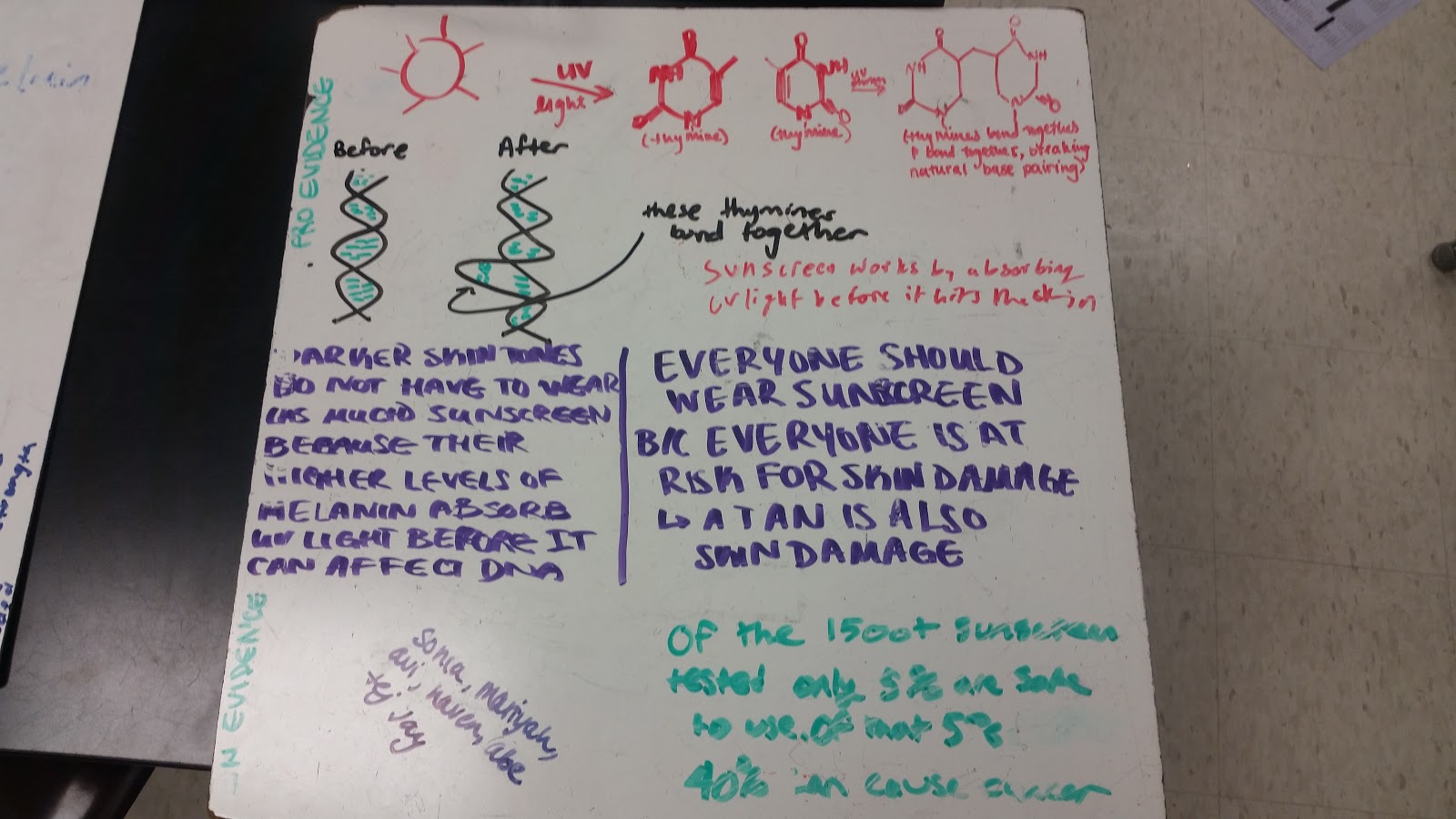
Figure 1: Whiteboard 1 explores the mechanism by which UV light causes DNA mutations
The wide variety of information in the various whiteboards led to some great discussion on content as well as generic science. We discussed if knowing the mechanism of DNA damage by UV light is relevant so long as we see the data in Whiteboard 2 (below). Students split but offered mostly arguments that mechanism knowledge is highly relevant to evaluate the conclusions from the data of skin cancer rates. Multiple examples were offered such as some races might be located where they experience different exposure to sunlight, different races might also use different amounts of sunscreen on average and reporting of race can be inconsistent. In general most students felt that just knowing skin cancer rates is insufficient and could be correlation without causation.
We also talked about the mechanism by which UV light originates and under what conditions an electron can accelerate so much that it produces such high frequency light. We connected the emission and absorption of light with the Balmer series for hydrogen. We reviewed the spacing of energy levels and I instructed about the differences in energy level spacings for gaseous atoms/ions compared to molecular excitations. We connected this later with Whiteboard 6 by talking about how a slight adjustment to a molecule can cause a minor change in the frequencies of light absorbed and how pigments and dye research often utilizes electron rich and electron deficient functional groups to shift color.
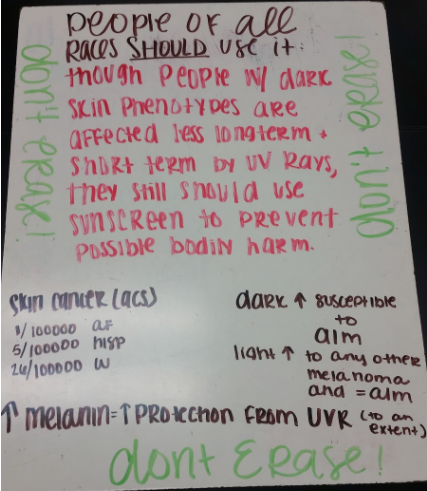
Figure 2: Whiteboard 2 found cancer rates based on race
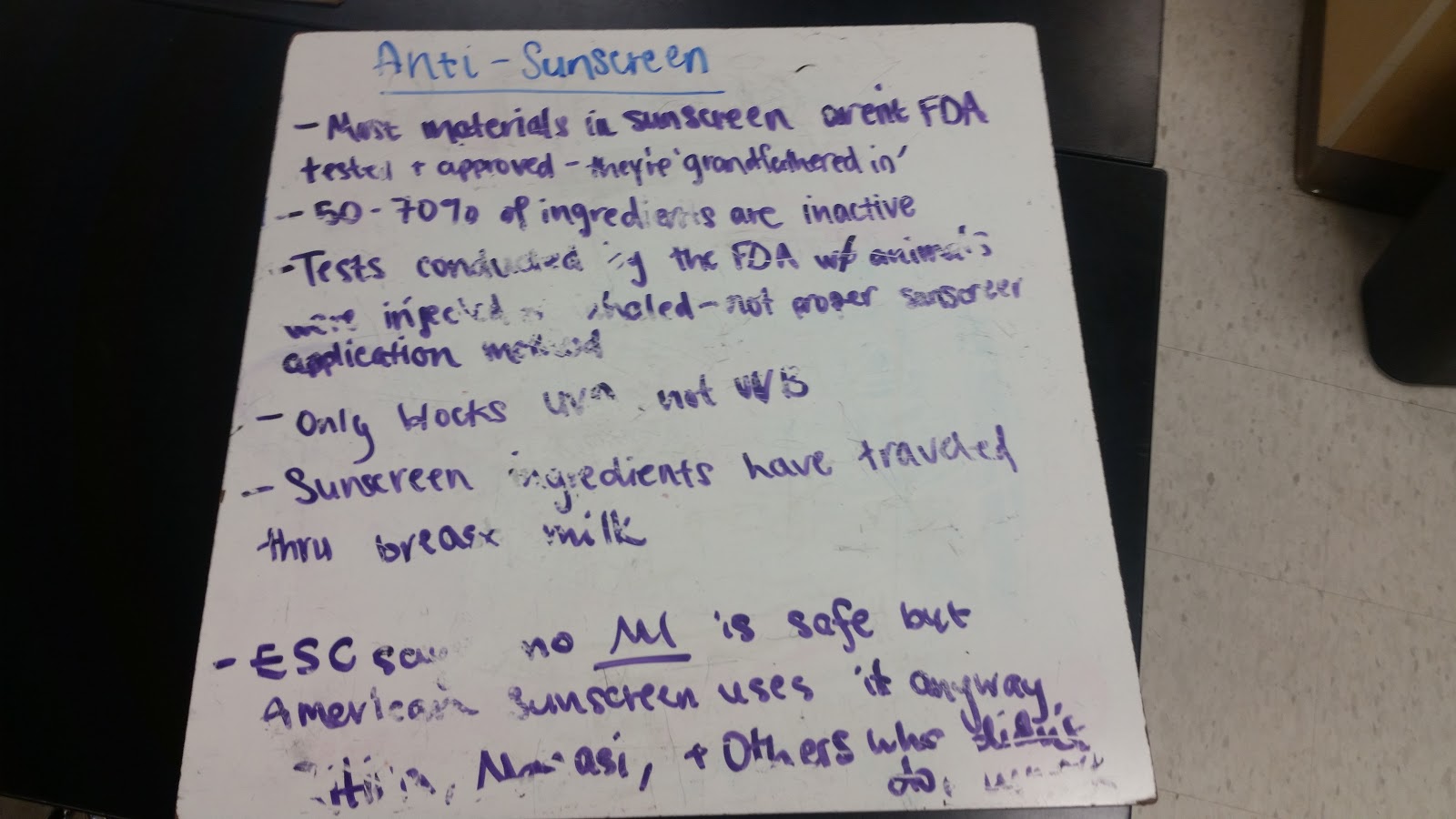
Figure 3: Whiteboard 3 went full “Natural News” to locate some arguments against
sunscreen
sunscreen
This board led to a good discussion on sources of scientific information, how sources manipulate data and experiment into “clickbait” articles. We posed the question “Are any of these things actually bad or do they just sound bad?” For example, if sunscreen ingredients are present in breastmilk, is that bad or is it so infrequent and low in concentration that it is irrelevant? We talked about how the FDA does not have jurisdiction over supplements and how labels for supplements are sometimes shown to be incorrect. We also compared this board to the risks of not wearing sunscreen using Whiteboard 2 (above).

Figure 4: Whiteboard 4 summarized different wavelengths of UV light and nanoparticles
used for sunscreens
used for sunscreens

Figure 5: Whiteboard 5 looks at melanin and interactions of sunscreens with UV light

Figure 6: Whiteboard 6 looks at different chemical structures utilized in sunscreens
Conclusions that students made included that the SPF data they saw suggested that anything over SPF 50 was a marketing scam and was less healthy than using SPF 50 or lower. We concluded that the mechanisms by which electrons change motion during electronic transitions in molecules are incredibly difficult to visualize and that this uncertainty can be problematic for understanding. We concluded that everyone exposed to sun should wear sunscreen because melanin mostly protects from sunburn but not from DNA damage. We saw a variety of organic molecules used to absorb UV light as well as alternatives such as ZnO nanoparticles. We started our discussion by looking at how 11 cis-retinal converts into 11 trans-retinal when absorbing visible light and this is the mechanism by which our brain becomes aware of light hitting our retinas. We talked about the breaking of the pi bond before the rotation occurs and later compared this to potential changes in molecular structure when UV light is absorbed by molecules in sunscreen.
As a teaching lesson I was highly pleased with the variety of topics to discuss and the variety of information students used to make arguments. Students looked at chemical structures, DNA damage mechanisms, skin cancer data, sunburn data and how UV light itself varies. We identified what type of light escapes the sun as a subject that requires more research. We will continue to use this topic throughout our review. We saw connections to organic chemistry, quantum chemistry, periodic trends and bonding. It was interesting to the majority of students. Some students asked what it was like to be sunburned because they had never experienced it before and most students had limited ideas coming into the discussion but left with much better knowledge.